Your living room sets the tone for your entire home. It’s where you relax after work, host friends and family, and spend most of your time at home. Getting the decor right makes a living space both comfortable and stylish.
When thinking of summer living room decor ideas, think of good furniture choices, the right colors, proper lighting, and personal touches that reflect your style.
You don’t need a big budget or professional interior designer to help create a space that looks pulled together.
Small changes like adding textures, using natural materials, picking a focal point, or rearranging your furniture can make a big difference.
This guide walks you through everything from choosing a style that works for your space to adding the final touches that make it feel complete.
You’ll learn how to plan your layout, what features to highlight, and which accessories bring it all together. This guide is for all apartment sizes, so those with small apartments can still make it work.
Defining a Cohesive Living Room Style
A cohesive living room style starts with three key decisions: your color palette, your furniture layout, and how you arrange seating for conversation.
These elements work together to create a space that feels intentional rather than random.
Finding Your Signature Color Palette
Your color palette sets the foundation for your entire living room design. Pick three to five colors that you’ll use throughout the space to create visual harmony.
A neutral color palette works well if you want flexibility. Start with whites, beiges, grays, or tans as your base colors. Then add one or two accent colors for interest.
Popular color palette approaches include:
- Neutral living room: Cream walls, beige sofa, white trim, with black or navy accents
- Coastal living room: Soft blues, sandy beiges, crisp whites, natural wood tones
- Farmhouse living room: Warm whites, greige, soft blacks, natural wood finishes
- Contemporary living room: Gray base with bold accent colors like emerald or mustard
When you layer neutrals, use different textures to add depth. A linen sofa, wool rug, and cotton pillows in similar colors create interest without adding more colors to your palette.
Repeat your chosen colors in at least three places around the room. This repetition ties everything together and makes your space feel planned.
Selecting the Right Living Room Layout
Your living room layout affects how the space functions and flows. Start by identifying your room’s focal point, whether that’s a fireplace, large window, or TV.
Measure your space before you move furniture. Leave 30 to 36 inches for main walkways and 14 to 18 inches between your sofa and coffee table.
Common layout options:
- Symmetrical: Pairs of matching chairs or lamps create formal balance
- L-shaped: Sofa and loveseat form a corner arrangement
- Floating: Furniture pulled away from walls for a modern living room design
- Open concept: Living area flows into dining or kitchen spaces
Balance visual weight by placing heavy pieces across from each other. If you have a large sofa on one wall, put substantial furniture or a bookshelf on the opposite side.
Curating a Stylish Conversation Area
A conversation area makes your living room functional and inviting. Arrange seating so people can talk comfortably without shouting across the room.
Place seating pieces 4 to 10 feet apart for easy conversation.
All seats should have a clear view of each other and access to a surface for drinks or remotes.
Your conversation area needs at least three seating spots. This could be a sofa plus two chairs, or a sectional with an accent chair. Add a coffee table or ottoman in the center as an anchor point.
Define the conversation area with an area rug large enough for all furniture front legs to sit on it. This grounds the space and makes it feel like one cohesive zone within the room.
Layer in side tables next to seating for practical surface space. Each seat should be within arm’s reach of a table or surface.
This attention to function makes your stylish living room actually livable and should not be an afterthought when considering summer living room decor ideas.
Incorporating Textures, Patterns, and Accents
Adding different textures and patterns creates visual depth in your living room without major renovations.
These simple updates make your space feel more finished and reflect your personal style.
Mixing Throw Pillows and Decorative Pillows
Throw pillows are one of the easiest ways to update your living room’s look. Start by choosing three to five pillows in different sizes for your sofa. Mix solid colors with patterned options to create balance.
Vary the textures of your decorative pillows to add interest. Combine smooth velvet with rough linen or soft cotton. Add one or two pillows with details like fringe, embroidery, or beading.
Keep your pillow arrangement from looking messy by sticking to a color scheme. Pick two or three main colors that appear in your room. You can mix different patterns as long as they share these colors.
Place larger pillows in the back and smaller ones in front. This creates layers and makes your seating look more inviting.
Layering Rugs and Adding Character 
Layering rugs adds warmth and defines different areas in your living room. Place a larger neutral rug as your base layer. A sisal rug works well for this purpose because of its natural texture and neutral color.
Add a smaller, patterned rug on top to create contrast. Position the top rug under your coffee table or in front of your sofa. This draws attention to your main seating area.
The textures should complement each other rather than compete. A flat-weave base rug pairs well with a plush top layer.
Make sure the bottom rug extends beyond the top one by at least 6-12 inches on all sides.
Rug layering also helps in large rooms where one rug alone might look too small. It creates visual zones without using physical dividers.
You may like
Holiday decor trends and ideas
Bringing in Pops of Color With Accessories
Small accessories let you add bright colors without overwhelming your space. Choose one or two accent colors that complement your existing furniture.
Use these colors in items you can easily change or move.
Vases, candles, and picture frames are simple ways to introduce color. Group these items in odd numbers on shelves or side tables.
A gallery wall featuring colorful artwork adds personality to blank walls while tying your color scheme together.
Throw blankets draped over chairs or sofas add both color and texture. Pick blankets in your accent colors with interesting weaves or patterns.
Fresh flowers or plants in colorful pots bring natural pops of color that you can rotate with the seasons.
Using Animal Prints and Patterned Curtains
Animal print accents add bold visual interest when used carefully. Start with one animal print item like a pillow, throw, or small chair.
Leopard, zebra, and cowhide patterns work as neutrals that pair with many color schemes.
Keep animal prints balanced by limiting them to one or two pieces in the room. An animal print accent works best when surrounded by solid colors or simple patterns.
Patterned curtains frame your windows and add vertical visual interest. Choose curtains with patterns that match your room’s scale.
Large patterns suit big rooms with high ceilings, while smaller prints work better in compact spaces.
Hang your curtains close to the ceiling and let them reach the floor. This makes your room look taller.
If you already have patterned furniture, pick curtains with a simpler design in coordinating colors.
Statement Features: Walls, Ceilings, and Focal Points
Bold architectural choices transform ordinary living rooms into memorable spaces. Wood elements, painted surfaces, and strategic focal points add depth and character without requiring a complete renovation.
Embracing Wood Paneling and Wood Ceilings
Wood paneling brings warmth and texture to your living room walls. You can install vertical or horizontal panels depending on your ceiling height and room dimensions.
Vertical panels make ceilings appear higher, while horizontal panels create a wider feel.
A wood ceiling adds an unexpected design element overhead. The wood-paneled ceiling works especially well in rooms with good natural light, as it prevents the space from feeling too dark.
You can paint your wood ceiling white or a light color to maintain brightness while keeping the textured look.
Modern wood paneling comes in various finishes and styles. Light oak creates a Scandinavian feel, while darker walnut adds sophistication.
You can also choose between full-wall coverage or partial paneling that stops midway up the wall for a wainscoting effect.
You may like:
Decorating the back door with fake grass.
Creating an Eye-Catching Accent Wall
An accent wall serves as the main visual anchor in your living room. Paint offers the simplest approach, with bold colors like navy, forest green, or terracotta creating immediate impact.
You can also use textured wallpaper, stone finishes, or decorative molding for added dimension.
Your accent wall location matters. Choose the wall behind your sofa, the one facing the entrance, or any wall with architectural features. This placement draws attention where you want it most.
Popular accent wall materials include: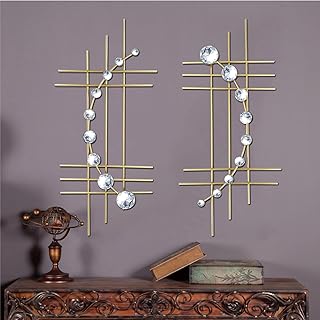
- Textured panels
- Large-scale wallpaper or murals
- Stone or brick veneer
- Mixed materials like metal and wood
- Gallery wall arrangements
Paint the ceiling above your accent wall in a coordinating color to extend the visual impact upward. This technique makes standard-height ceilings feel more dramatic.
Showcasing the Fireplace as a Focal Point
Your fireplace naturally draws the eye and deserves special attention. Paint the fireplace in unexpected colors like sage green, charcoal, or deep blue to make it stand out from surrounding walls and living room furniture.
This approach works with both traditional mantels and modern interiors.
The fireplace wall provides an ideal location for added design elements. You can extend wood paneling around the fireplace or paint just that wall section in a contrasting color.
Built-in shelving on either side of the fireplace adds both function and visual balance. You can paint this with nature-inspired colours.
Mantels offer display space for artwork, plants, and decorative objects. Keep arrangements simple and varied in height to avoid a cluttered look.
Designing With Reclaimed and Rustic Elements
Reclaimed wood adds history and character to your living room. You can source authentic barn wood, old floorboards, or weathered fence panels for unique wall treatments.
Each piece brings natural variations in color and texture that new materials cannot replicate.
Rustic elements balance well with modern furnishings. A reclaimed wood accent wall pairs effectively with clean-lined sofas and minimal decor.
This mix prevents your room from feeling too themed or one-dimensional.
Installation options for reclaimed wood vary. You can arrange boards in traditional horizontal rows, create herringbone patterns, or mix board widths for visual interest.
Seal the wood properly to prevent splinters and protect the finish.
Smart Furnishing Choices and Space Planning
The right furniture can make or break your living room layout. Your choices affect how much space you have to move around, where people sit, and how the room feels overall.
Choosing a Large Sectional or Pair of Sofas
A large sectional works best when you have an open floor plan or a bigger living room. It creates a clear seating zone and lets multiple people sit together comfortably.
Place your sectional against a wall or use it to divide the room into different areas.
A pair of sofas gives you more flexibility with your layout.
You can position them facing each other for easy conversation or place them at right angles to create an L-shape.
This setup works well in square rooms or when you need to leave pathways open.
Consider your room shape before deciding. Long, narrow rooms often look better with a sectional along one wall.
Square rooms can handle either option, but two sofas let you create a more balanced look.
Incorporating Chesterfield and Leather Sofas
Chesterfield sofas add a classic look with their tufted backs and rolled arms. These pieces work in both traditional and modern rooms because of their clean lines.
A leather Chesterfield brings warmth and texture that gets better with age.
A leather sofa stands up to daily use better than fabric options. It cleans easily and resists stains, which makes it good for homes with kids or pets.
Leather also adds a polished feel without needing extra throw pillows or covers.
Pick darker leather colors like brown or black for high-traffic areas. Lighter shades show wear faster but create an airy feel in smaller spaces.
Selecting the Best Coffee Table Style
Your coffee table should fit the scale of your seating. Leave about 18 inches between the table edge and your sofa so people can move around easily. The table height should match your sofa seat or sit slightly lower.
An acrylic coffee table keeps sightlines open in tight spaces. You can see through it to the floor, which makes your room feel bigger. These tables work well in modern or minimalist rooms.
Choose storage coffee tables when you need extra space for remotes, magazines, or blankets. Look for options with drawers, shelves, or lift-tops that give you hidden storage without adding clutter.
Design Ideas to Hide the TV
Mount your TV inside a cabinet with doors that close when you’re not watching. This keeps the screen hidden and turns your wall into a display area for art or shelves.
Build your TV into a gallery wall so it blends with framed photos and artwork. Use frames in similar colors and styles to make the TV feel like part of the display instead of the focal point.
Place your TV on a console that matches your wall color. When the TV is off, the dark screen blends into a dark-painted wall or the console itself draws attention instead.
Finishing Touches: Lighting, Windows, and Accessories
The right finishing touches transform your living room from a collection of furniture into a complete space.
Lighting sets the mood, window treatments add privacy and style, and personal accessories make the room uniquely yours.
Maximizing Living Room Lighting
Living room lighting needs to work on multiple levels. You should have three types: ambient lighting for overall brightness, task lighting for reading or working, and accent lighting to highlight artwork or architectural features.
Start with overhead fixtures as your base layer. A ceiling-mounted light or recessed lights provide general illumination throughout the room.
Dimmer switches let you adjust brightness based on time of day or activity.
Add floor lamps and table lamps in corners and next to seating areas. These create pools of light that make large rooms feel cozier. Position reading lamps next to chairs where you actually sit to read.
Wall sconces mounted at eye level can wash walls with light and make your ceiling appear higher. They work well on either side of artwork or a fireplace.
Selecting Pendant Lights and Decorative Lamps
Pendant lights work best over specific areas in your living room. Hang them above a coffee table, reading nook, or in a corner that needs extra light. Keep the bottom of the shade 30 to 36 inches above the surface below.
Choose pendant lights that match your room’s style. Metal and glass pendants suit modern spaces, while fabric shades fit traditional rooms. The fixture should be proportional to your furniture – a small pendant looks lost above a large coffee table.
Table and floor lamps serve as both light sources and decorative pieces. Pick lamps with interesting bases in materials like ceramic, wood, or brass. The shade should be wide enough that you can’t see the bulb when sitting down.
Match your lamp finishes to other metals in the room, like door handles or picture frames. You don’t need exact matches, but staying within warm or cool tones creates cohesion.
Styling With Window Treatments
Window treatments control light, add privacy, and frame your windows. Curtains, blinds, and shades each offer different benefits for your living room.
Curtains soften hard edges and add fabric texture to the room. Hang curtain rods 4 to 6 inches above the window frame and extend them 3 to 6 inches beyond each side. This makes windows look larger. Choose curtains that just touch or puddle slightly on the floor.
Common window treatment options:
- Curtains: Add softness and color, available in light-filtering or blackout fabrics
- Blinds: Provide precise light control with clean lines
- Roman shades: Offer a tailored look that stacks neatly when raised
- Sheer panels: Filter light while maintaining daytime privacy
Layer treatments for more control. Pair sheers with heavier curtains or mount blinds under decorative panels. This lets you adjust privacy and light throughout the day.
Personalizing With a Gallery Wall and Art
A gallery wall displays multiple pieces of art, photos, or objects in an arranged grouping. This personal touch shows your interests and fills empty wall space above sofas or consoles.
Plan your layout on the floor first. Cut paper templates the size of each frame and tape them to the wall to test arrangements. Keep 2 to 3 inches of space between frames.
Mix frame sizes and orientations, but connect them with a common element. Use all black frames, all wood frames, or keep all mats the same color. Your eye needs something to tie the collection together.
Hang the center of your gallery wall at eye level, approximately 57 to 60 inches from the floor. For walls above furniture, leave 6 to 8 inches between the furniture top and the lowest frame.
Single large art pieces work when you want bold impact. Local artwork supports artists in your area and gives you conversation pieces.
Choose art with colors that appear elsewhere in your room to create visual connections.
Living room ideas need not be complicated; interior design is not meant to be scary, an occasional chair or a dining table in the wrong place can always be moved.
Final Thoughts on Summer Living Room Decor Ideas
Now, do you feel I missed any summer living room decor ideas? I`d love to hear your opinion.
Now I’m tempted to redecorate this weekend 😄
Go for it, it does not have to be something extravagant, start small and keep going.Decorating is never a one time thing.