You don’t have to spend a lot of money to cover dirt in the backyard of your home and make your outdoor space more useful. There are several cheap ways you can use, like laying down mulch, gravel, or even simple ground covering plants and cover crops for a quick fix.
These ideas are easy to do yourself and can quickly improve the look of your yard.
Covering dirt helps prevent muddy backyards, keeps weeds down, and makes everything feel cleaner. Changing a yard that looks like a mud pit into a place you`ll enjoy.
With a few affordable materials, you can turn a plain area into a space you’ll enjoy spending time in. Whether you need a place for kids to play or just want to tidy up and remove that dirt patch, there’s a solution that fits your needs and budget.
If you’re looking for backyard ideas, the good news is that you`ll find that cheap ways to cover dirt to add both beauty and function. Some options also need little maintenance, saving you time later on.
Choosing the right method depends on your preferences and how you want to use the space.
You may like:
Using fake grass in small backyards
Mulching for Affordable Backyard Coverage
Mulching is an easy and budget-friendly way to cover dirt in your backyard. It helps prevent weeds, keeps the soil moist, and makes your outdoor space look neater and more inviting.
Types of Mulch
There are two main types of mulch: organic and inorganic. Organic mulch includes materials that come from plants, like wood chips, straw, grass clippings, and leaves.
These break down over time and add nutrients to your soil. Inorganic mulch is made from things like rocks, rubber, or landscape fabric. This type doesn’t improve soil health but lasts longer and needs less replacing.
For most backyard projects, organic mulch is the cheaper and more popular choice. It’s easy to find at garden centers or even make from yard waste. The table below compares the main differences:
| Type | Pros | Cons |
|---|---|---|
| Organic | Improves soil, cheap | Needs reapplying |
| Inorganic | Long-lasting, tidy | Costly, no nutrients |
Organic Mulch for Soil Health
Organic mulch does more than just cover dirt. It helps keep the soil moist by stopping water from evaporating too quickly.
It also keeps the soil cooler in hot weather and warmer during cold snaps. As organic mulch breaks down, it feeds your soil and improves its structure.
Adding materials like wood chips, straw, or shredded leaves can boost your garden’s health. Earthworms and helpful bacteria will start to thrive, making the ground even better for plants.
Over time, you may need to add more mulch, but the benefits to your soil can make this a smart choice if you want a low-maintenance, eco-friendly yard.
Using Wood Chips and Pine Straw
Wood chips are one of the most popular mulches for backyards. They are often sold in large bags or by the truckload at garden centers.
You can sometimes get them for free from local tree services. Wood chips help keep weeds down and look tidy.
Pine straw—dried pine needles—is another affordable choice, especially in areas with lots of pine trees. Pine straw spreads easily and holds moisture well. Both types of mulch let rain soak through to the soil and slowly break down over time.
When using wood chips or pine straw, spread them 2-3 inches deep. This layer will block sunlight from weeds while letting your plants grow.
Cost-Effectiveness and Maintenance
Mulch can be very budget-friendly, especially if you use recycled or local materials. Grass clippings, leaves, or even shredded cardboard can work for small areas. Buying mulch in bulk is often cheaper than buying it in bags.
Organic mulch needs to be refreshed once or twice a year as it breaks down. This is part of regular low maintenance in your yard. Inorganic mulches cost more at first but save time since you don’t have to replace them as often.
Using mulch can save water, lower weed growth, and improve soil quality, all while keeping your yard easy to care for. For the most savings, look for free or discounted mulch from local tree services or city recycling centers.
Budget-Friendly Ground Cover Plants
Using affordable plants to cover your backyard dirt helps reduce dust, adds color, and can even protect your soil from erosion.
Many of these ground cover options are low-maintenance and can handle regular foot traffic, making them useful choices for most outdoor spaces.
Grass and Laying Sod
Growing grass from seed is one of the cheapest ways to create a green yard. Choose cool-season varieties like Kentucky bluegrass or fescue for cool climates, or warm-season types like Bermuda or zoysia if you live in a hot region.
Natural grass grows quickly when watered and fed with basic lawn care. Regular mowing and occasional fertilizer help keep your lawn thick.
Laying sod is a quicker option if you want instant results, but it costs more upfront than seed.
Sod needs daily watering for two weeks until roots build, but it provides even coverage. Both grass seed and sod help stop dust, keep mud down, and make yard spaces more pleasant.
Pros:
- Improves property appearance
- Offers a soft, walkable surface
- Helps control soil erosion
Cons:
- Needs watering and mowing
- Sod costs more than seed
Clover, Thyme, and Creeping Plants
Clover is inexpensive and grows well in poor soil. White clover creates a soft, green cover that stays short and fixes nitrogen, making your yard healthier. Clover rarely needs mowing and handles drought better than most grasses.
Creeping thyme offers a fragrant, low-growing option that spreads to form a thick mat. It’s hardy, attracts pollinators, and thrives in sunny spots. You can walk on it lightly, and it adds flowers in summer.
Other creeping plants like sedum, ajuga, and creeping Jenny fill empty spots fast. Most need little care once established, working well in both sun and partial shade.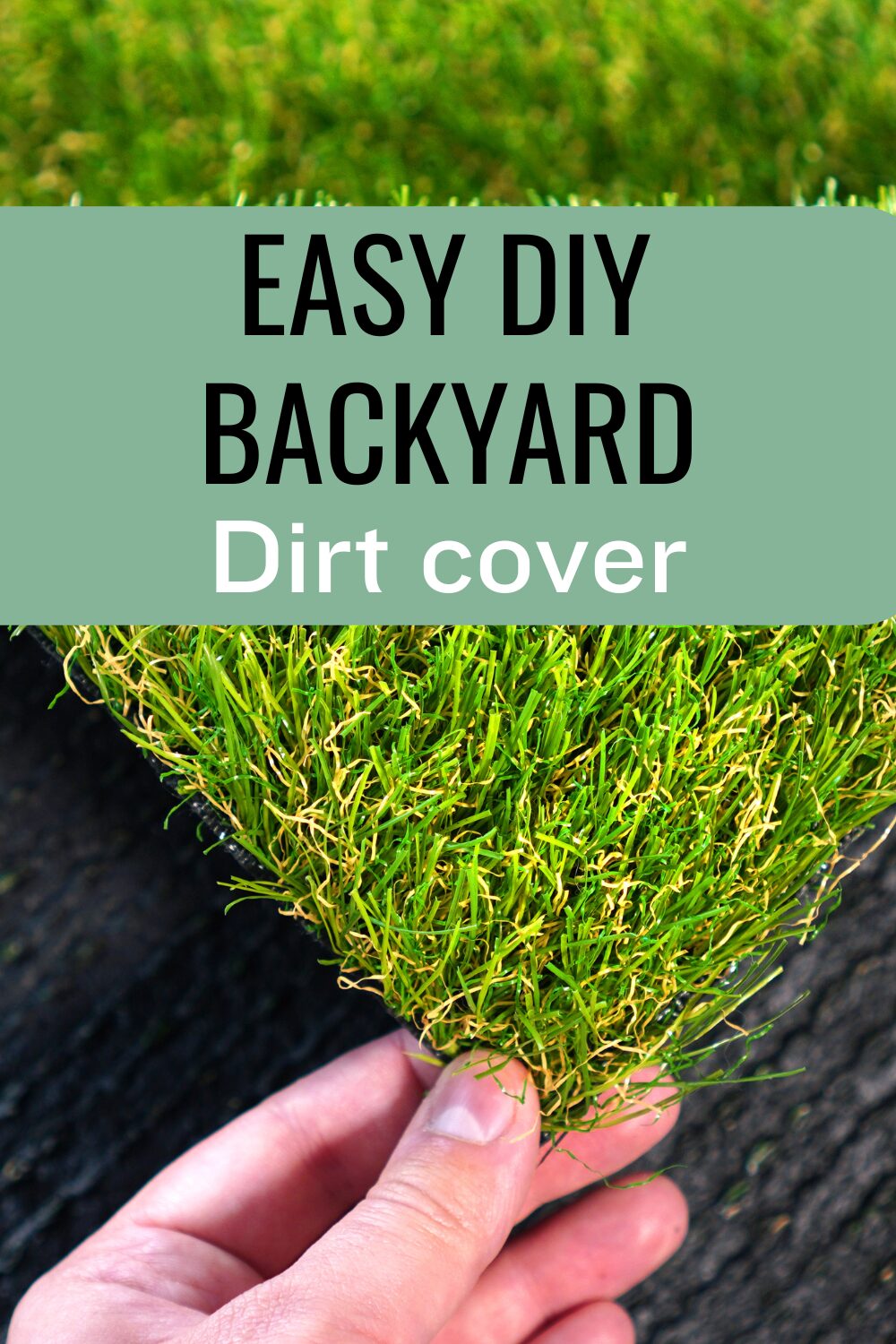
Popular choices:
- White clover
- Creeping thyme
- Sedum
- Creeping Jenny
Advantages:
- Eco-friendly
- Lower maintenance than grass
- Adds color and texture
Ground Covers for Erosion Control
If your yard has slopes or issues with washed-away soil, certain ground cover plants work well for erosion prevention.
Moss is a good choice for shady, damp areas and forms a dense mat that stops soil from washing away. It needs very little care once started.
For sunny slopes, use plants like liriope, vinca minor, or phlox subulata. These spread quickly and keep the soil in place with dense roots. Creeping juniper is another strong option for banks and hillsides with full sun.
Essential features for erosion control include:
- Dense root systems
- Fast spread
- Ability to grow close together
Choose plants based on your climate and how much sunlight your backyard gets. Proper ground cover helps protect your yard, cuts down on dust, and provides a more attractive, safer outdoor space.
Inexpensive Hardscape Solutions
There are several hardscaping options that combine a low price with easy installation and simple upkeep. These materials can stop dust, cover muddy areas, and help with water drainage while making your yard look better.
Using Gravel and Pebbles
Gravel and pebbles are some of the most affordable ways to cover dirt. You can buy them in bulk at local garden centers or home improvement stores. They come in many colors and sizes, so you can pick a style that fits your yard.
Gravel is good for paths, seating areas, and around plants. It drains water well, helps stop muddy spots, and keeps weeds down if you use landscape fabric under it. Pebbles work best for smaller spots or decorative edges.
Pros:
- Cheap, especially if bought in bulk
- Easy to lay down on your own
- Improves drainage
Cons:
- Small pieces may move if there is foot traffic
- Weeds can grow if you skip the fabric underneath
A simple layer of gravel or pebbles usually covers uneven ground nicely and needs little maintenance.
Pavers, Stepping Stones, and Recycled Bricks
Pavers and stepping stones are slightly more expensive than gravel but last longer and look neat. You can often find discounted pavers or leftover bricks at building supply stores. Some people even use recycled concrete sections from old patios for extra savings.
Put pavers or bricks in a pattern, or just lay stepping stones where people walk. For extra style, fill gaps with gravel or mulch. This option is sturdy and keeps dust down.
Ideas for Cheap Hardscaping:
- Look for recycled bricks or broken pavers from neighbors or local listings.
- Use a mix of old bricks and concrete chunks for a recycled look.
Benefits:
- Less dirt tracked inside
- Simple to arrange in any shape
- Very low upkeep
This method works very well for patios, walkways, and around fire pits.
Sand and Concrete Slabs
Sand is cheap, easy to spread, and good for areas kids or pets use often. It covers dirt fast and helps water flow through, reducing muddy patches. Play sand is soft and usually sold in bags, but you can buy builder’s sand in bulk to save even more.
For a harder surface, concrete slabs are another option. Broken pieces from old sidewalks, called urbanite, can be reused as a cheap slab solution. Set them directly on dirt, or put a thin layer of sand below them for better leveling.
Table: Sand vs. Concrete Slabs
| Option | Cost | Installation | Best Use Cases |
|---|---|---|---|
| Sand | Very low | Easy | Play areas, pet zones, paths |
| Concrete Slabs | Low-med | Moderate | Walkways, patios, base for sheds |
Both sand and concrete slabs cut down on dust and mud, help with drainage, and make yard spaces more useful.
Alternative and Eco-Friendly Covering Ideas
Using smart, budget-friendly solutions can turn bare dirt into a cleaner, more usable space. You can choose coverings that are both affordable and eco-friendly for home improvement projects.
Artificial Grass and Artificial Turf
Artificial grass and turf provide a low-maintenance, green look to dirt areas, giving you a beautiful landscape. They do not need watering, mowing, or fertilizers. Installing them creates a tidy yard with less work. Modern options look similar to real grass and drain water well.
When picking artificial turf, consider thickness, drainage, and how soft it feels underfoot. Light cleaning keeps it fresh. 
Pros:
- Easy to clean
- Long-lasting
- No mud or weeds
It’s best to install turf over a level base. Measure your yard to buy only what you need.
Outdoor Rugs
Outdoor rugs offer an affordable way to cover patches of dirt. They come in different sizes, colors, and styles. Most are made from plastic or recycled materials, making them an eco-friendly choice.
These rugs are simple to use—just lay them over the dirt to create a cleaner space. Many are easy to wash with a hose. They’re a good short-term fix for patios, play areas, or sitting spots.
Tips:
- Use stakes or double-sided tape to hold down rugs on windy days.
- Check if the rug is UV-resistant so colors last longer.
Outdoor rugs will not last as long as other covers but are easy to replace and move.
Rubber Mulch and Old Tires
Rubber mulch is made from shredded old tires. It keeps weeds down and makes the ground softer and safer for children to play on. Rubber mulch can last for years and does not break down quickly.
You can buy rubber mulch or make use of old tires for DIY projects. Cutting tires into strips or turning them into garden borders helps reuse waste materials and saves money.
Benefits:
- Water drains through easily
- Low maintenance
- Good for play areas or garden paths
Rubber mulch and old tire projects are affordable and help keep waste out of landfills, making your backyard more eco-friendly.
DIY Projects for Functional Outdoor Spaces
With a little effort, you can turn bare dirt into useful and attractive areas. These methods are budget-friendly and can last for years with simple upkeep.
Things like a water feature may look complicated but with little effort,you can create one in the seating area
Building Raised Garden Beds
Raised garden beds help create order in your yard and keep plants healthy. You can make a bed using lumber, bricks, or concrete blocks.
Wood is often the cheapest and easiest to work with. Choose rot-resistant wood like cedar or treated pine for longer life.
Fill raised beds with a soil mix that drains well. Adding compost will improve soil moisture retention and boost plant growth.
Place beds directly on dirt after removing grass and weeds. A raised bed gives plants deep soil and makes gardening easier on your back and knees.
You can adjust the size to fit small or large yards. Use this method for vegetables, herbs, or flowers. Raised beds also help control pests and keep your garden neat.
Compost and Organic Amendments
Compost is a low-cost way to enrich your soil and cover dirt patches. You can make your own compost at home with food scraps, grass clippings, and leaves.
Pile these materials in a corner of your yard or use a compost bin. Turn the pile every couple of weeks to speed up the process.
When finished, spread compost over bare dirt and work it in. This improves soil moisture retention and provides nutrients for plants. Compost also keeps weeds down if used as a mulch layer.
Other organic materials, like shredded bark or straw, can also be used to cover dirt in the backyard. These break down over time and improve your soil structure.
Decking and Composite Decks
A deck creates a sturdy surface over dirt and adds a clean look to your yard. You can build a simple wood deck using treated lumber and basic tools.
For a longer-lasting option, consider composite decking made from recycled plastic and wood fibers.
Composite decks resist rot, don’t attract termites, and need less maintenance than real wood. They also come in many colors and styles. Plan your deck to fit your space and needs, whether it’s a small platform or a larger area for outdoor dining.
Decking can be a bigger landscaping project, but it covers dirt well and can raise your home’s value. Regularly sweep and wash decks to keep them looking good. For the lowest maintenance, composite is a strong choice.
Frequently Asked Questions
You can save money by picking the right materials to cover backyard dirt, like mulch, gravel, or ground covers. Using simple DIY methods helps with quick fixes and bigger projects.
What are affordable ground cover options for large areas?
Wood chips, mulch, and gravel are low-cost choices for covering big spaces. Spreading grass seed or planting clover can also help fill a yard over time. Landscape fabric under these materials reduces weeds and helps them last longer.
How can I inexpensively landscape a dirt backyard?
Start by removing weeds and rocks. Use free or low-cost mulch, wood chips from tree services, or cardboard to suppress weeds. Add simple borders with bricks, stones, or leftover wood.
What are some budget-friendly DIY solutions to cover dirt in the backyard?
You can use old pallets to make paths or walkways. Lay down cardboard and cover it with mulch for quick dirt coverage. Plant fast-growing ground cover plants from seed to save money.
How can I prepare and cover my backyard for a party on a budget?
Lay down large tarps, old rugs, or picnic blankets to cover dirt for a day. Rent outdoor mats or use hay bales as sitting areas. String lights, a patio umbrella, simple plastic chairs, and a few folding tables make the space more welcoming.If you have a fire pit area, arrange everything around it.
What is the most cost-effective way to deal with mud in a yard with pets?
Put down pea gravel, sand, or a thick layer of mulch in heavy traffic areas. Pavers or stepping stones help reduce muddy paws near entrances. Train pets to use one section of the yard to keep cleanup easier.
How can excess backyard dirt be utilized or covered economically?
Use extra dirt to fill low spots, level the yard, or build small raised beds. Cover unused dirt piles with mulch, grass seed, or plants to stop it from blowing away. If extra dirt is clean, offer it to neighbors or use it for other landscaping projects.
If you`ve read all the way, you now know it`s easy to cover dirt in the backyard, and you don’t need a huge budget.So go ahead and find what works best for you.
Very informative post! Thanks for sharing!
Im glad you found the post useful dirt in the backyard can be really messy especially when it rains.